


When it comes to K-dramas, Nigerian women are true to it, not new to it. For many people, Netflix’s Squid Game was their introduction to the Korean TV industry, but Nigerian girls and women are veterans. We were there during some of the earliest years of the Hallyu Wave (also known as the Korean Wave), which started around the 90s and saw the global spread of Korean media from K-pop to Korean films and TV. Before the industry became the glamorous and internationally acclaimed one it is today, shows like Boys Over Flowers and Full House were airing, and Nigerian girls and women adored them. Now, many people, men and women alike, are developing an interest in the Korean TV industry, largely thanks to Netflix’s ever-growing roster of original hits. This means there are people experiencing the joys of K-dramas and their tropes for the very first time. If you fit in this category, here are five things you need to know before watching basically any K-drama.
Product placement is not subtle
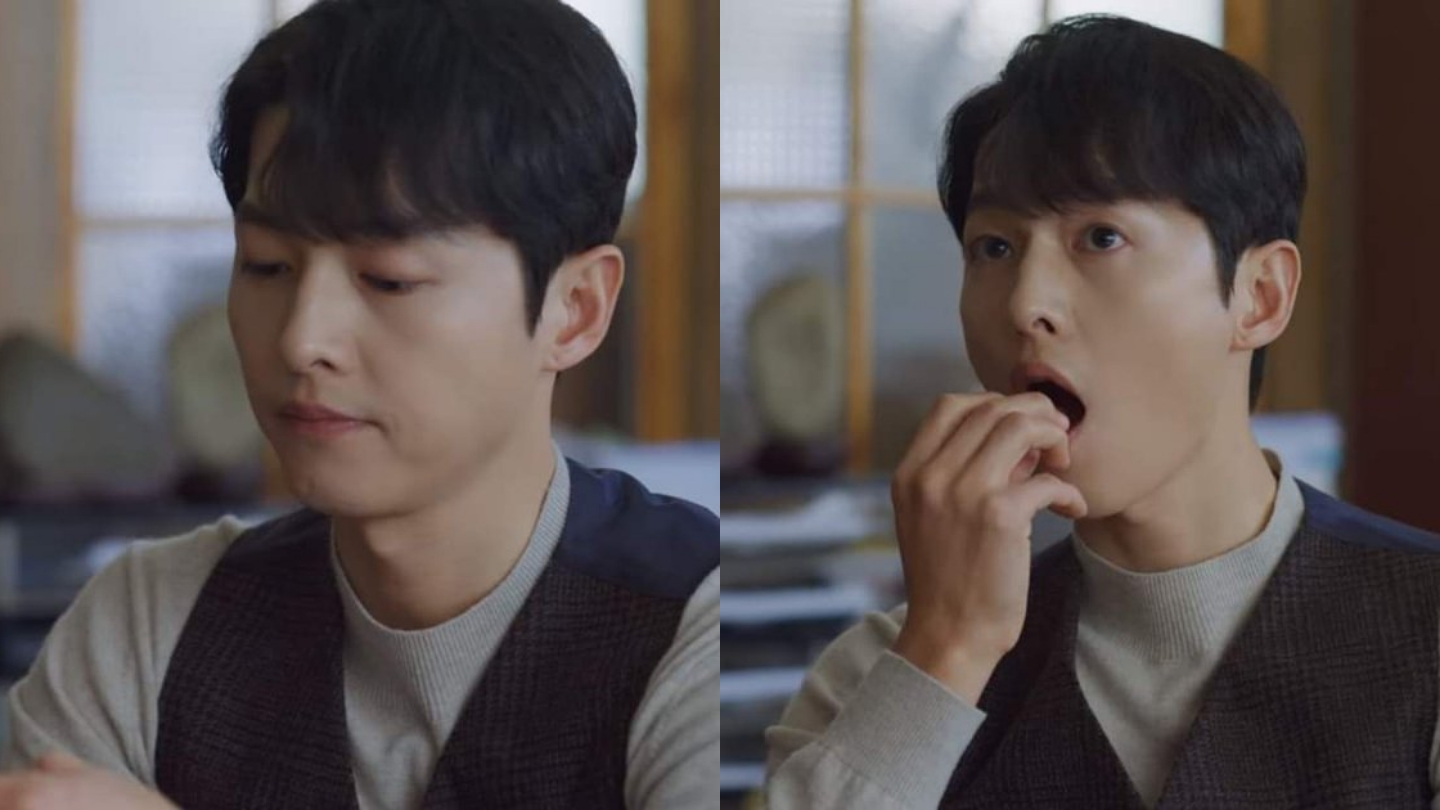
When it comes to ads, most people can agree that subtlety is often the best policy, right? Well, you might want to rethink that if you want to start watching K-dramas. Korean TV is not shy about mid-scene ad placements, and audiences have come to expect them, even look out for them. A series can be in the middle of a pivotal scene, and a character will pause to take a refreshing sip of their favorite energy drink that “always keeps them alert!”. Here in Nigeria we know Kopiko as just another coffee sweet but in Korea, the company is one of the most prominent advertisers in TV.
You will wait sixteen or more episodes for a kiss
Not every K-drama is a romance, but every K-drama is a slow burn. The average K-drama will feature at least one romance plot, even if that is not the primary genre. But even in shows that are purely romance, kissing and overt physical contact is not commonplace. Instead, prepare yourself for the thrills of piggyback rides, back hugs and, if you’re watching a classic, some dramatic wrist grabs to stop someone from running off. Kisses are usually saved for the final episodes, with only more modern series starting to break that trope.
Comedy is never off the table, no matter the genre
Another thing that you will find in nearly every K-drama is an endearing amount of slapstick comedy. While most K-dramas can be categorized into broader genres like action, period pieces and, of course, romance, they almost always feature some comedy. Every K-drama has its own comedic voice, but you can always count on the editing and acting to deliver some of the most surprisingly hilarious moments. This is especially necessary for dramas that aren’t strictly comedy such as Vincenzo and Crash Landing on You.
It’s easier to bag a CEO than you think

K-dramas are absolutely obsessed with the “rich man, poor girl” trope, and as fans, so are we! In real life, most CEOs are completely inaccessible to those outside their circle. Thankfully, all you need to do is be a leading lady in a K-drama, and a CEO or chaebol (an heir to a wealthy family business) is almost guaranteed to fall into your lap. Modern classics like What’s Wrong With Secretary Kim and Business Proposal display this trope best. Fans love the CEO/chaebol trope because it always includes fun character dynamics as well as some entertaining displays of wealth.
Second Lead Syndrome is unavoidable

Second Lead Syndrome is the unfortunate situation where you find yourself rooting for the second male lead to end up with the main character instead of the main love interest. It is a doomed path, and fans know this every time, but that never stops anyone from falling head over heels with the wrong man. Where the main love interest might be difficult or stubborn, the second lead is almost always sweet, attentive and eager. Some shows with unforgettable second leads are Reply 1988, Romance is a Bonus Book and True Beauty
Look out for the White Truck of Death
The name of this trope is just as dramatic as it sounds. Way too many K-dramas feature a character, usually the female lead, almost or often actually getting hit by a white truck. This trope has become so common that K-drama directors now even use it intentionally as a sort of Easter egg for fans. Some K-dramas even incorporate the truck into the story such as in Marry My Husband, but in most cases, it is simply a plot device that draws the leads closer.
The leads have a childhood connection
If you’re watching a K-drama and the two leads seem to have an insane amount of chemistry from the jump, it’s almost guaranteed that they had met each other as children. This trope is so ridiculously common, it’ll have you wondering if all K-drama protagonists grew up in the same neighbourhood. Sometimes the leads were best friends as kids, sometimes they simply had a chance encounter that stuck with them. Either way, this trope is somehow both expected and surprising every time it comes up.
Meddling in-laws aren’t just a Nigerian thing
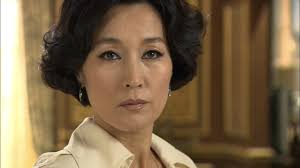
The meddling in-law character is an archetype that K-dramas share with Nigerian media. This character is usually the mother-in-law, but fathers or even brothers-in-law have been known to cause trouble in K-dramas. This trope is often seen hand-in-hand with the “rich guy, poor girl” trope and in classics such as Boys Over Flowers, where the man’s family does their best to separate the couple to maintain the family image.
Once alcohol is involved, a confession is coming
Koreans love a good night of fried chicken and soju, and a good K-drama will milk these scenes for some drama. One of the most common things to happen during a night of drinking is a drunk confession, often one that will be forgotten by the next day. Drinking also leads to embarrassing but cute moments that force the love interests into each other’s physical space, usually holding each other up as they stumble their way home.
Fake relationships and marriage contracts are everywhere
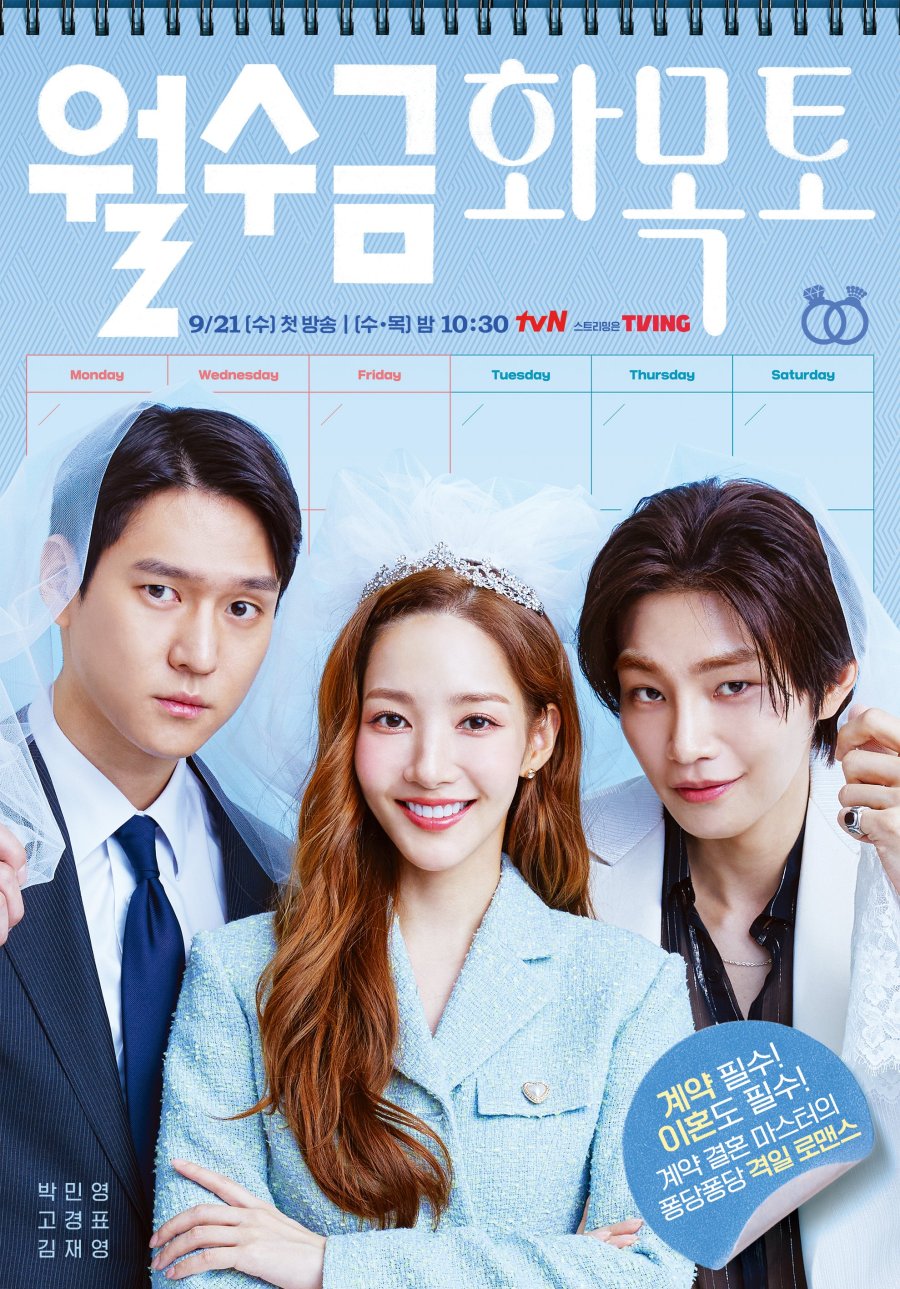
Never heard of a marriage contract? You probably haven't watched enough K-dramas. The fake relationship/marriage contract plot is a fan-favourite as it involves characters falling for each other while being in complete denial. The more they pretend to be in a relationship, the more the lines between reality and their performance blur. Love in Contract is the perfect example of use of this trope, but a fake relationship is always guaranteed to deliver on all the laughs and the feels.
For some people, these tropes can make K-dramas cringy but that isn't the case for fans (like us!). There’s nothing wrong with an overused trope or even a predictable storyline. What gets K-drama fans hooked is the lovable characters and the interesting and inventive ways that shows use these tried and true tropes. K-dramas are great for escapism, but the productions aren’t as monotonous as many think. No matter what genre of TV you like, there is a K-drama for you. And, no matter what genre it is, be on the lookout for one or more of these tropes!