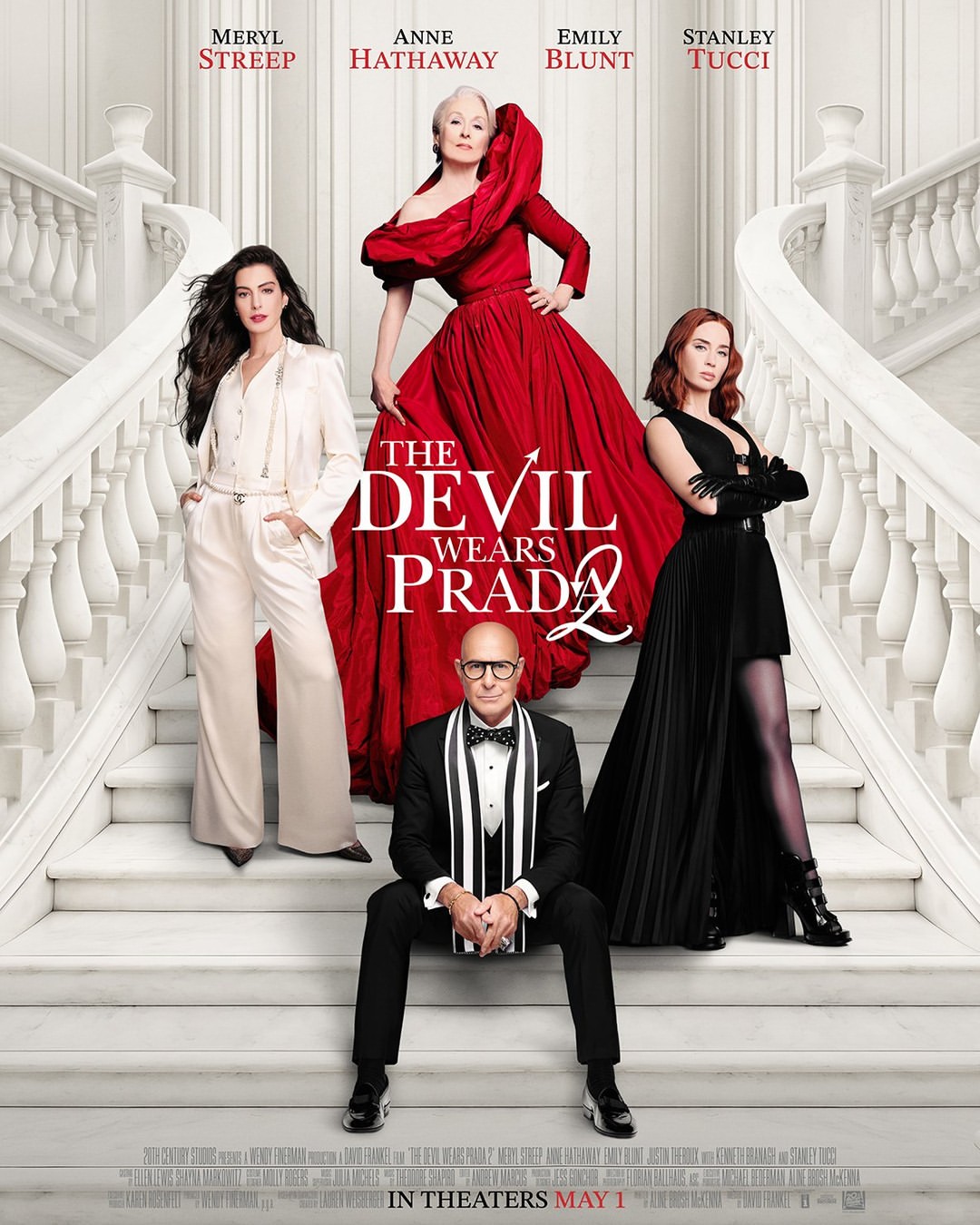
Hollywood loves a sequel. This is a simple fact of the industry that anyone invested in modern movies has to accept. Rather than rally against sequels, the best thing we can do is hope that, while studios shoot for their cash grabs, they also choose to have sequels tell meaningful stories.
Major spoiler warning for The Devil Wears Prada 2 from this point onwards.
The Devil Wears Prada 2 is set twenty years after the first movie, and Andrea (Andy) Sachs is now the serious journalist she always wanted to be. The movie kicks off with the entire newsroom she writes for being unceremoniously laid off by text during a journalism awards gala, while Miranda and the crew at Runway are catching heat for publishing a positive piece about a brand that was revealed to use sweatshop labour.
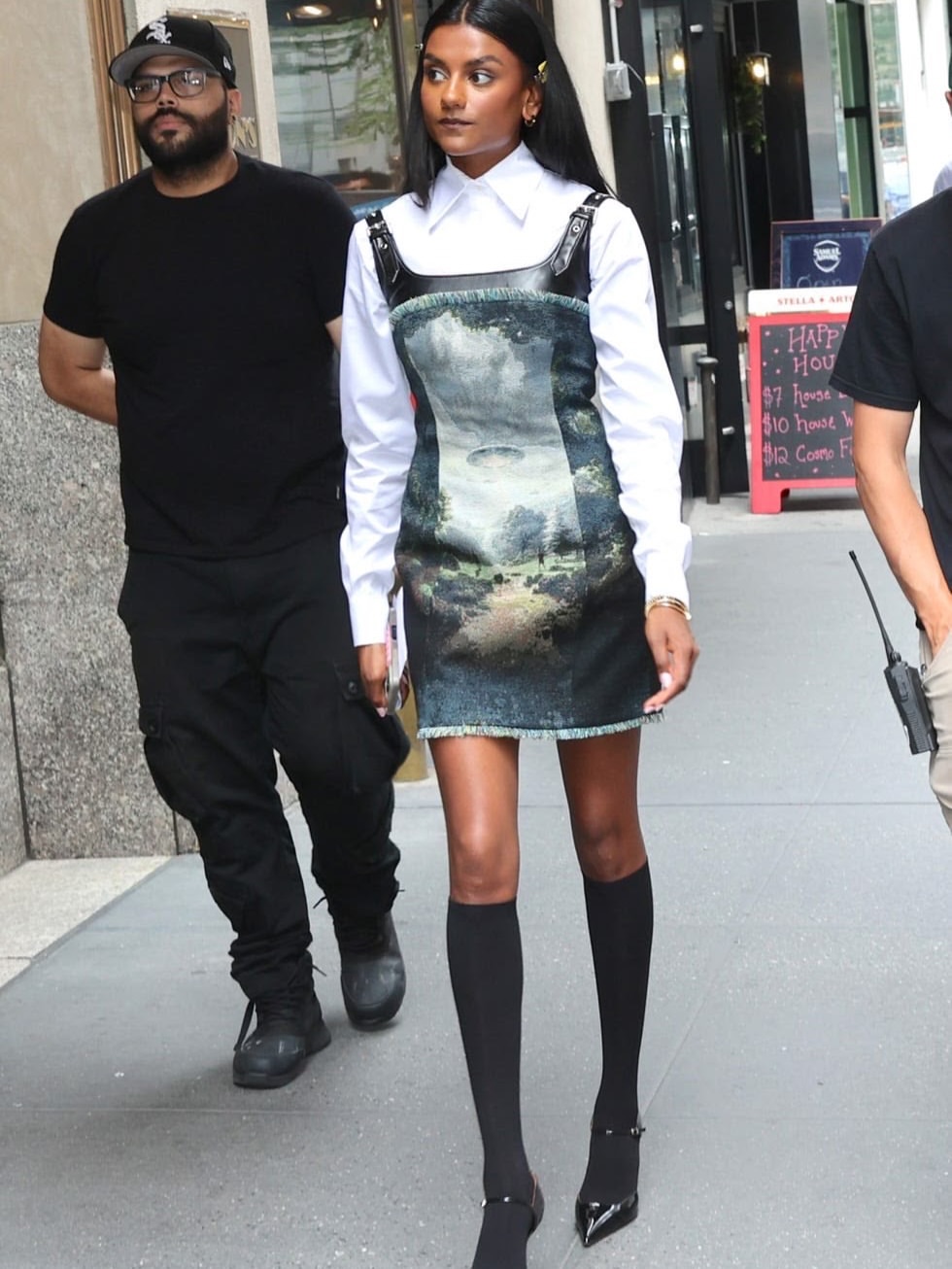
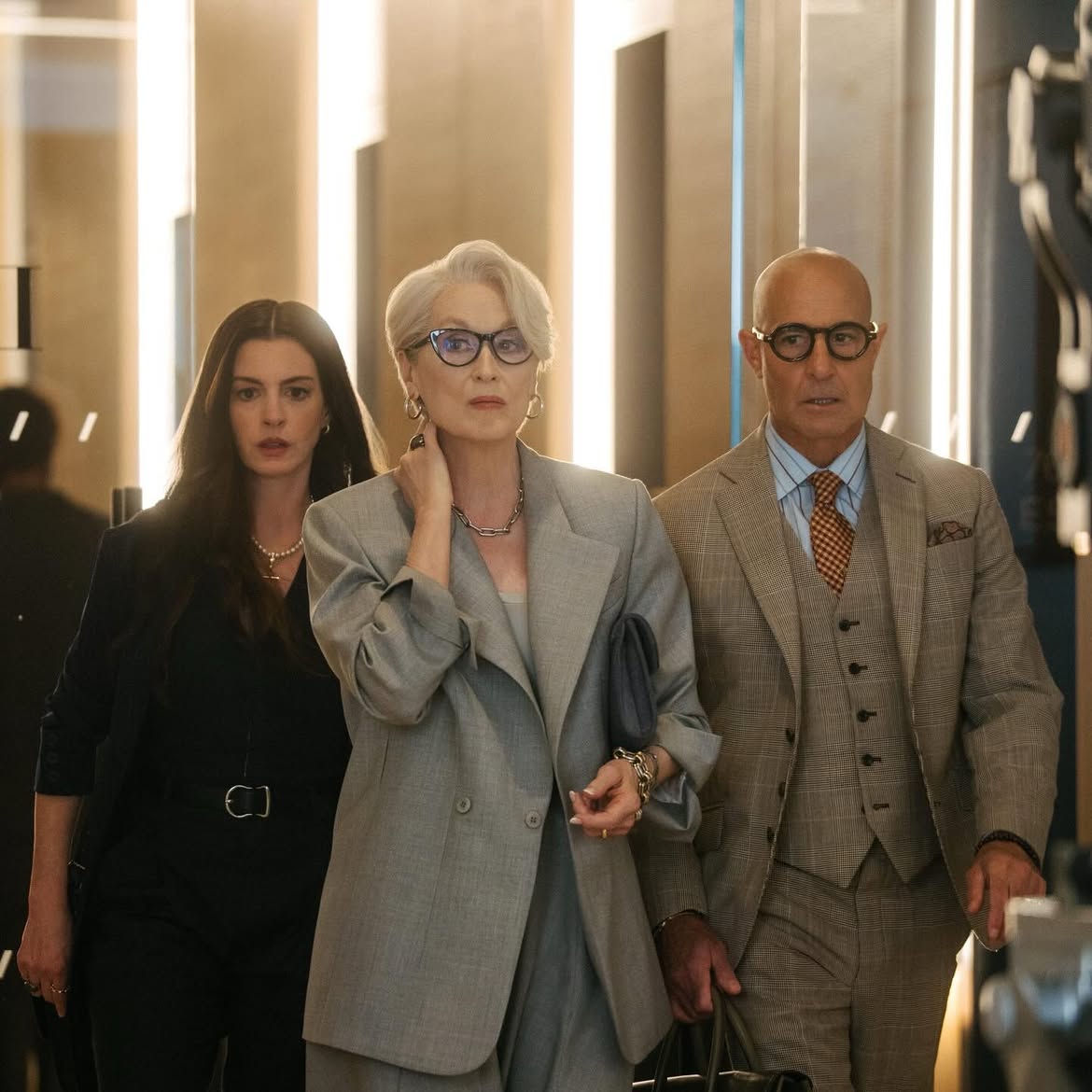
A serendipitous turn of events leads to Andy being rehired at Runway, this time as a features editor, to write more serious pieces that show that the magazine is still credible. Her return to Runway reintroduces us to the returning cast as well as a few new characters, namely Simone Ashley and Caleb Hearon play Amari and Charlie, Miranda’s new assistants. I’m not a fashion girl, but even I noticed how stunning Amari’s outfits were. Simone Ashley more than delivered in that regard and Amari’s fashion is one of the most memorable parts of the movie. Unfortunately, she and Charlie barely stood out as characters and had close to no personality to show through. Stanley Tucci as Nigel is as mild-mannered as ever, unflappable as Miranda’s right-hand man, and Miranda is struggling to adapt to the new, social media driven world. In a bid to rehabilitate Runway’s image, Miranda, Nigel and Andy have to make nice with one of their biggest advertisers, Dior, which they find is now run by Emily, the assistant who worked alongside Andy during her early Runway days.
The plot is then driven by the team which includes Andy’s new assistant Jin Chao, played by Helen J. Shen, attempting to ensure that Runway isn’t bought out by disinterested and out of touch billionaires who care more about maximizing profit than fashion with a capital F. This leads Andy to concoct a plan with Emily to get her boyfriend, eccentric tech billionaire Benji Barnes, to buy the company. When they reveal this plan to Miranda, she is disappointed as she rightly predicts that Emily planned on firing Miranda and taking over as editor of Runway.
Miranda initially and uncharacteristically accepts this defeat but, after speaking with Benji at the Runway fashion week dinner, she hears of his dystopian dream of an AI driven world. This leads her and Andy to hatch a new plan to get Sasha Barnes, Benji’s reclusive ex-wife, to buy not only Runway but the entire parent company.
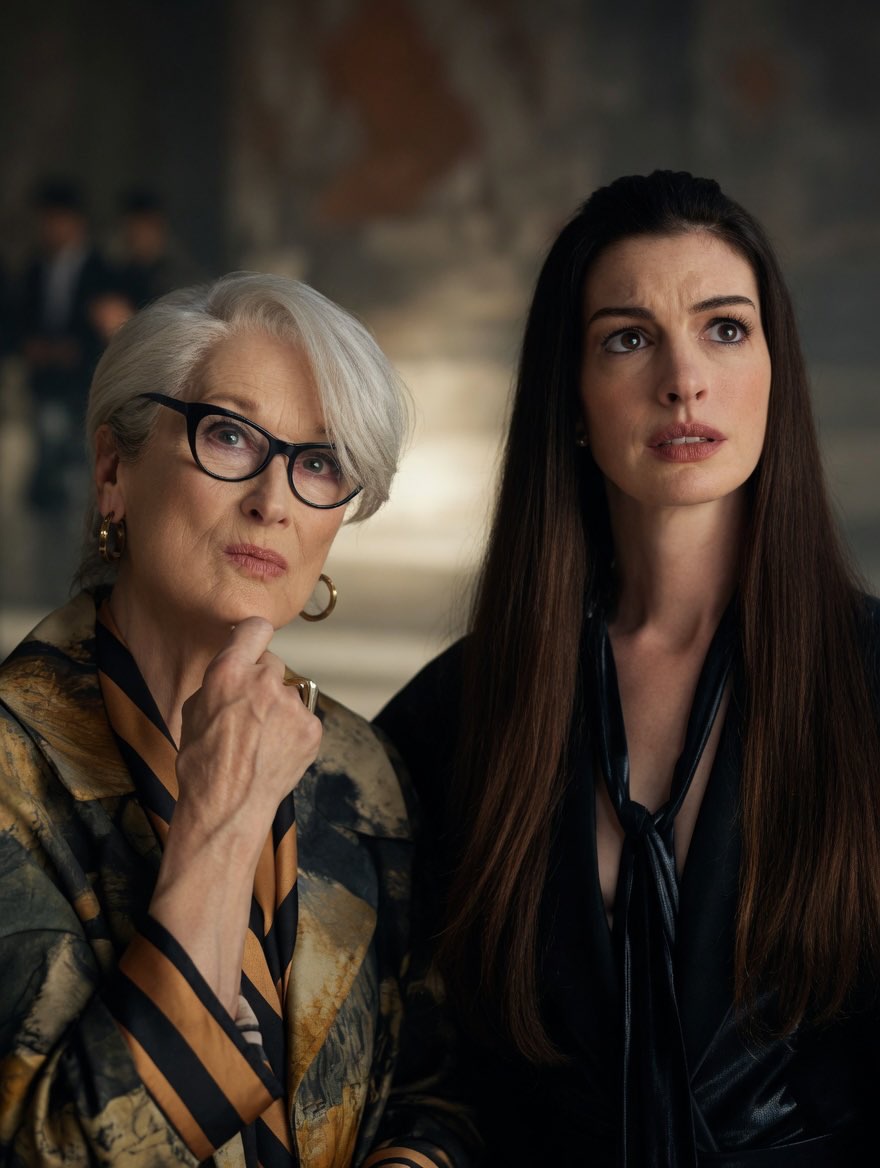
The first thing I noticed about The Devil Wears Prada 2 was how different Miranda is compared to the first movie. In this film, she is declawed to the point of the movie’s title almost making no sense. There is nothing ‘devilish’ about Miranda anymore, but this isn’t an unfounded change. Multiple HR complaints have curbed most of her tyrannical ways, and Amari’s presence keeps her politically correct against her more problematic instincts. Her new husband, Stuart, played by Kenneth Branagh, is also introduced, and unlike her troubled marriage in the original, she is shown to be happy and peaceful, at home at least. These changes make sense and are acceptable, but Miranda also has a general air of resignation that remains consistent in this movie. When the company’s new owner, Jay, first suggests all his budget cuts, she raises no complaints, and when Emily reveals her plan to oust her, she barely reacts. Her ambition, drive, cunning and every other trait that made her Miranda Priestly are almost completely gone. This shift in character may be due to all the changes in the industry that she once dominated but is it realistic?
The other major thing I noticed about The Devil Wears Prada 2 was its surprisingly anti-capitalist and anti-billionaire stance. While the movie doesn’t necessarily mount a protest against the ethics of billionaires’ existence, it strongly opposed the intrusion of tech magnates and other out of touch members of the one percent into fields like journalism and fashion. Andy’s speech at the beginning of the movie highlighted this, and the theme is continually hammered in as Andy and co fight first against tech bro Jay, then Benji.
This is why it was a shock to me when none of this thematic groundwork was followed through on. This lack of consistency is best exemplified through Andy’s romantic subplot. We are introduced to Andy’s love interest, a contractor named Peter, played by Patrick Brammall, who she meets while house hunting. I’m of the firm belief that The Devil Wears Prada 2 did not need a romance subplot, which was further driven home by the absolute lack of chemistry between Hathaway and Brammall. Their lack of chemistry could have been excused, though, if his role in the movie was justified, but his presence points more to the movie’s flaws than elevates it.
When he and Andy first meet, she rants to him about the gentrification of old, historic buildings into luxury condos before he reveals that he is the building contractor who did that to the very building she critiqued. While she apologizes for her words, she clearly never learns to respect what he does, and why would she? Peter’s job as a contractor and what he does to buildings is a direct parallel to Benji Barnes’ job as a tech oligarch and what he does to legacy media, including her own workplace.
In a later scene while worrying about losing her job once again, Peter tries to console Andy and she ends up yelling at him that her job is more important than his. This line reveals the contrast between what the movie wants Andy to believe and what the actual story tells us. The movie wants Andy to think that bulldozing historical buildings to create modern apartments is bad just like she believes media companies being sold out to become cogs in tech conglomerates is bad. But she also stays with her contractor boyfriend and, at the end of the movie, she and Miranda pull a Hail Mary to get Sasha Barnes to buy the company instead of Benji. Contractors and gentrification and billionaires and selling out are bad - unless it is Andy’s Good Guy Boyfriend or Sasha the Good Billionaire. Andy’s beliefs are only as good as the words in the script, which has her saying one thing while ending in situations where she cosies up with what she claims to oppose. Her relationship with Peter doesn’t only waste screentime but actively highlights the movie’s biggest weakness, its lack of commitment to its main theme.
The Devil Wears Prada 2 is not a bad movie. In fact, it was quite entertaining and nostalgic, and I found myself laughing and becoming invested throughout the runtime. But, once you take a step back, it is ultimately a movie that flew too close to the sun. It dared to bring up topical and nuanced themes like the death of print media, gentrification, algorithms, the social media attention economy, and corporate buy out of independent media stifling artistic integrity. However, much like Miranda, the titular Devil, these critiques were leashed and restrained. Rather than taking any one theme and exploring it to a satisfying conclusion, the movie raised all of them, then chose the path of least resistance to avoid saying anything truly revolutionary.
If you’re looking for a more fun yet incisive look at the fashion world, and what goes on behind the glamour, just watch the first The Devil Wears Prada movie again!